The Trail of Death
A Pilgrimage of Remembrance, Lament and Transformation
HTE564: Three credit hours

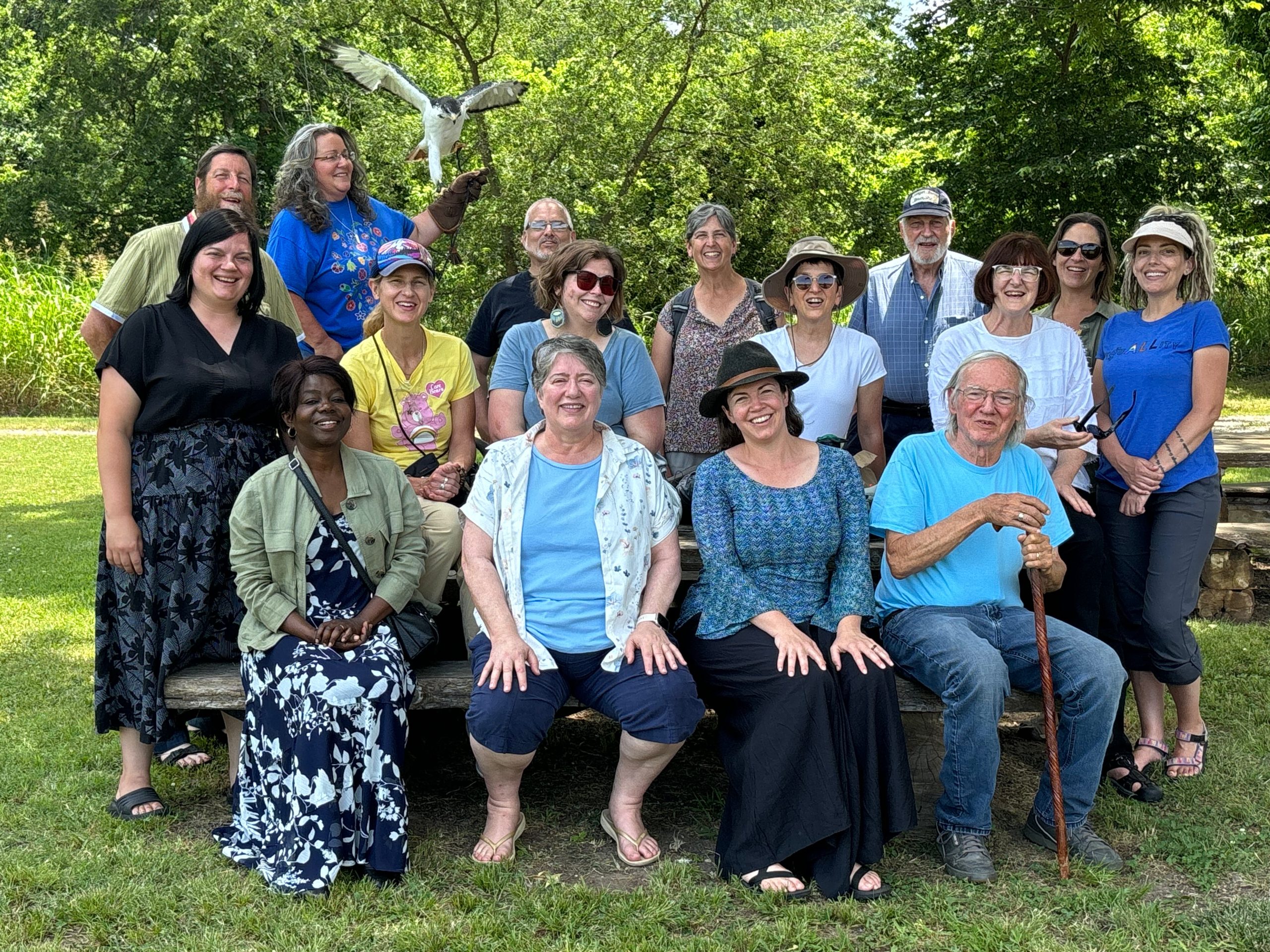
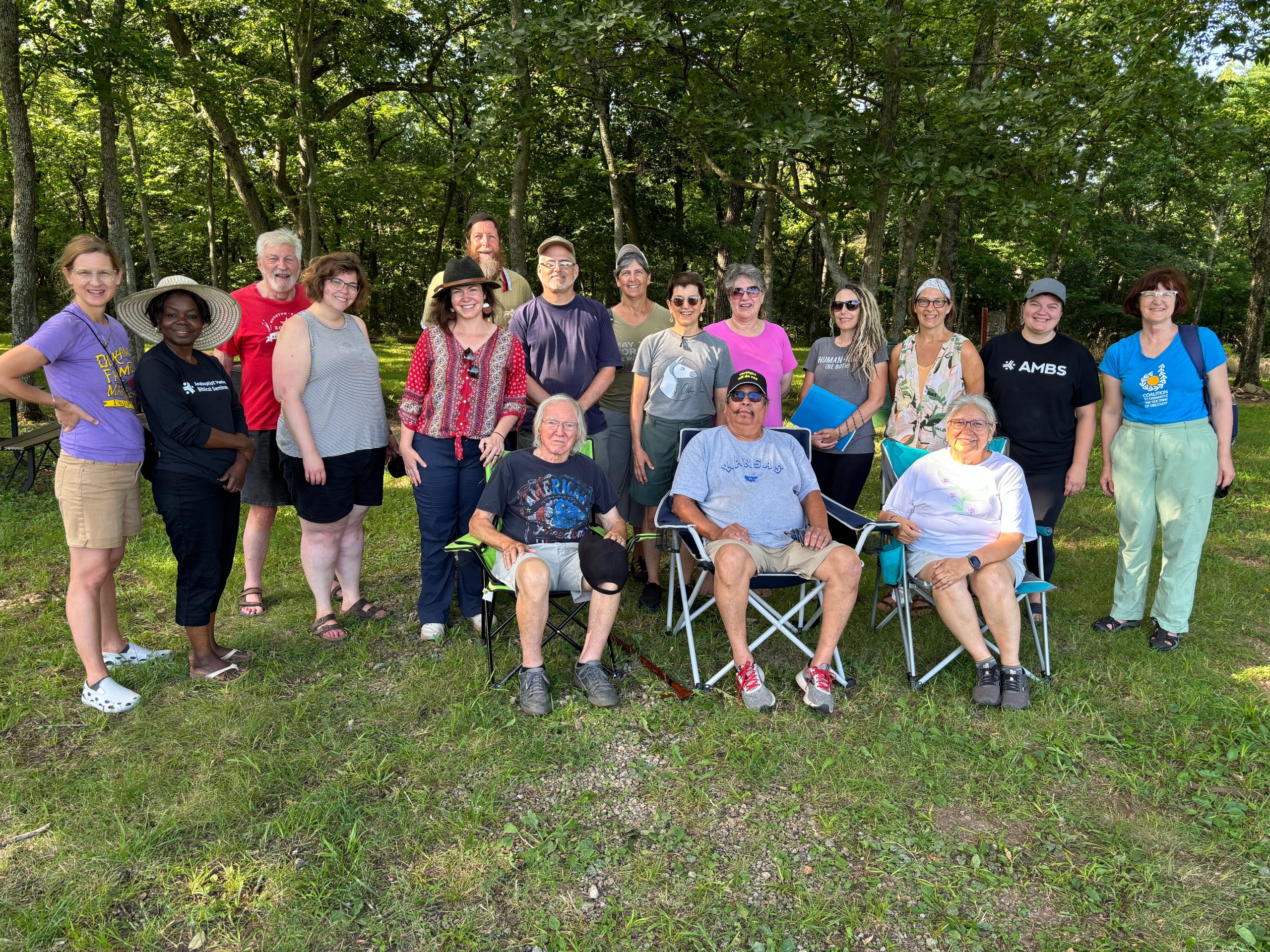
(Credit: Jeff Geary)
The AMBS May 2026 Trail of Death Pilgrimage has been postponed until Summer 2027 or Summer 2028. Please return to this page for updated information.
For those with interest in an alternate Trail of Death experience in 2026: A Potawatomi-led caravan along the Trail of Death will take place June 20–26, 2026, and is open to participants. The cost is $30, with all transportation, food and lodging costs on your own. See Trail of Death Opportunity June 2026 for more information.
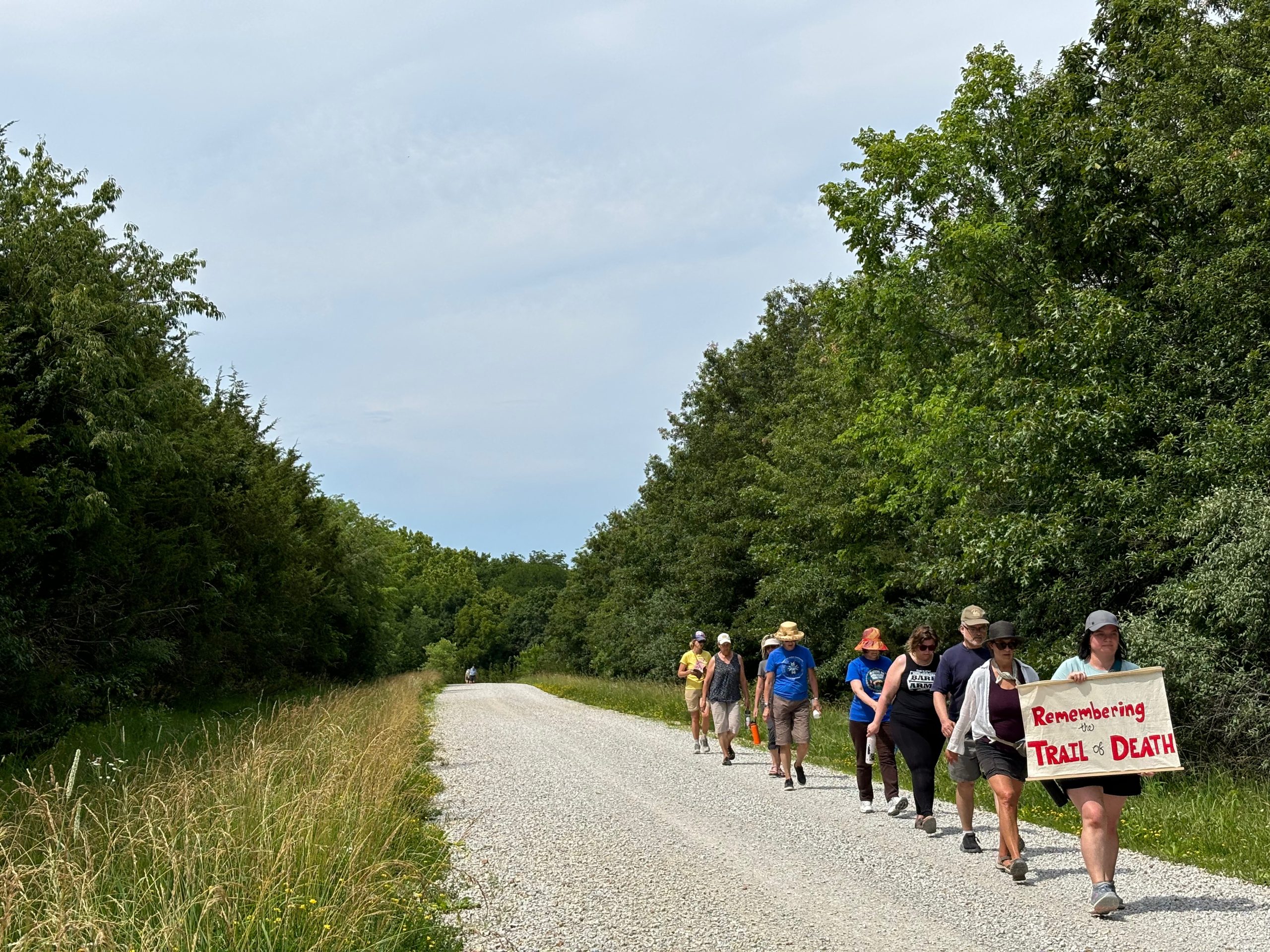
The Trail of Death pilgrimage remembers the 1838 forced removal of about 850 Potawatomi people from their ancestral homelands in northern Indiana by state and federal militias. Participants in the pilgrimage will enter into a journey of lament over and truth-telling about the violence caused by White settler colonization.
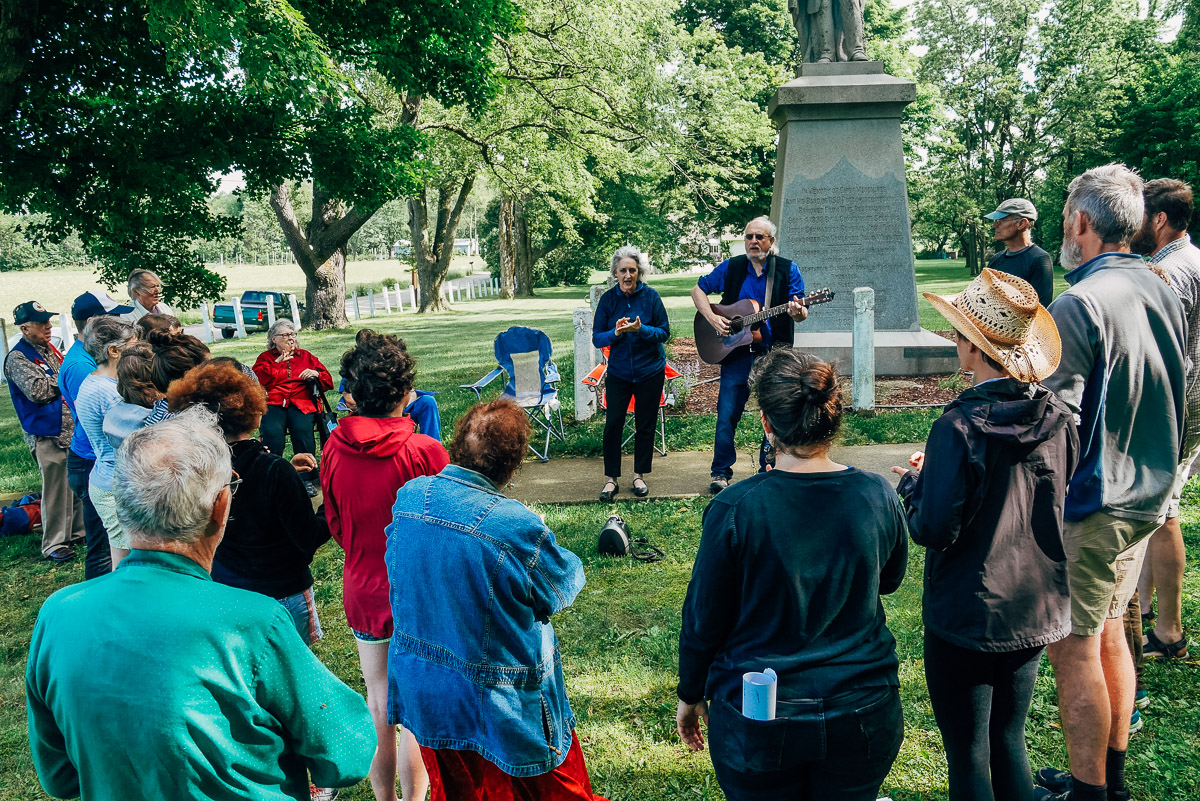
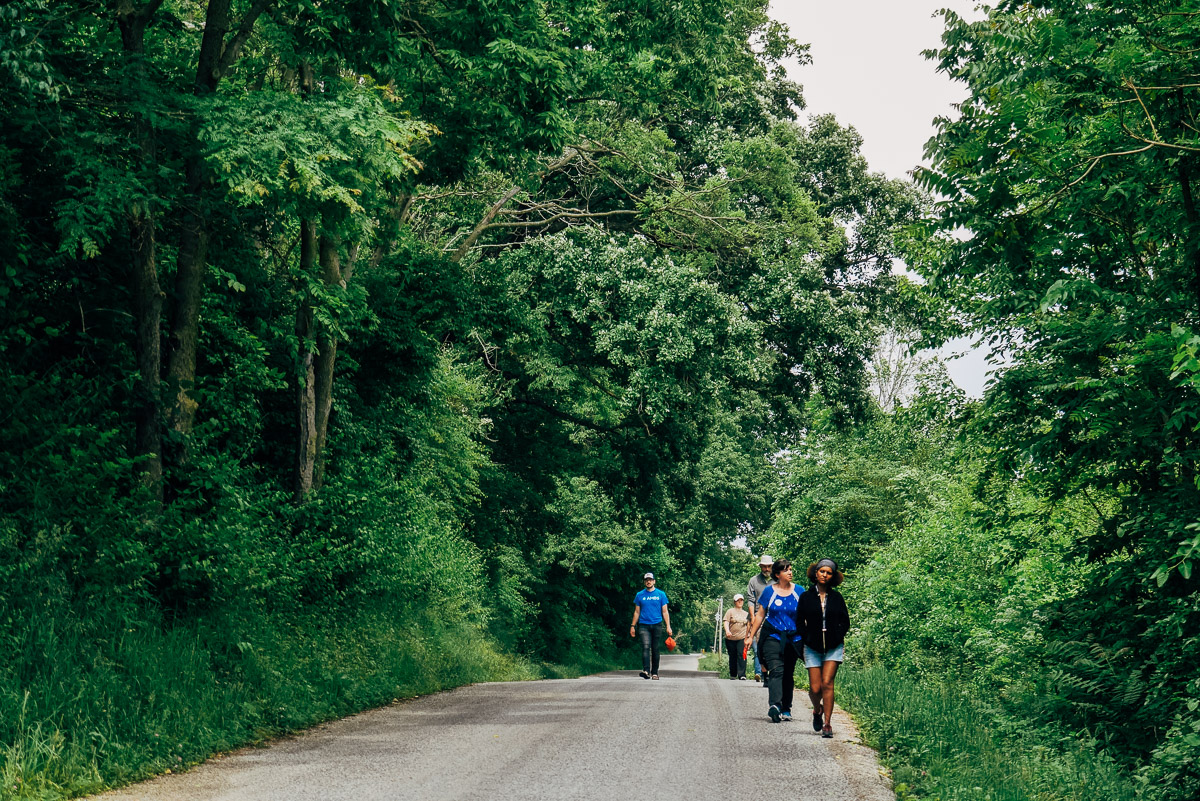
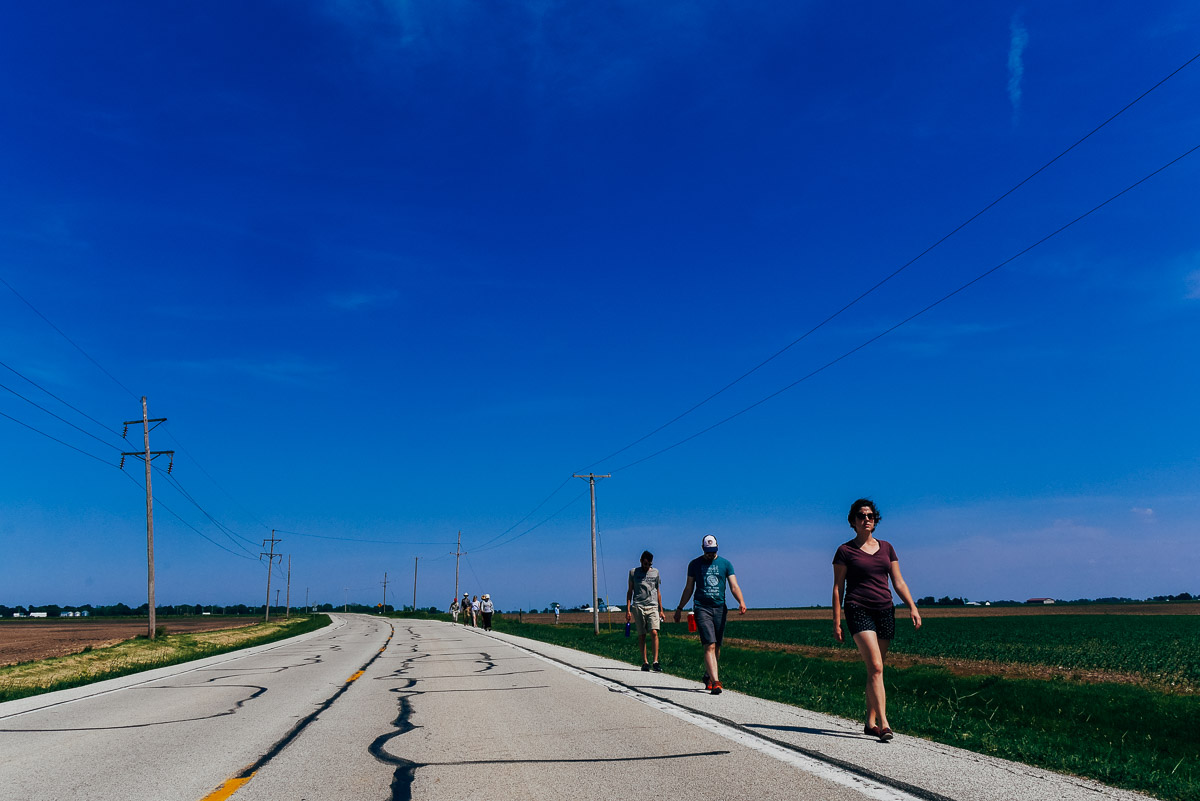
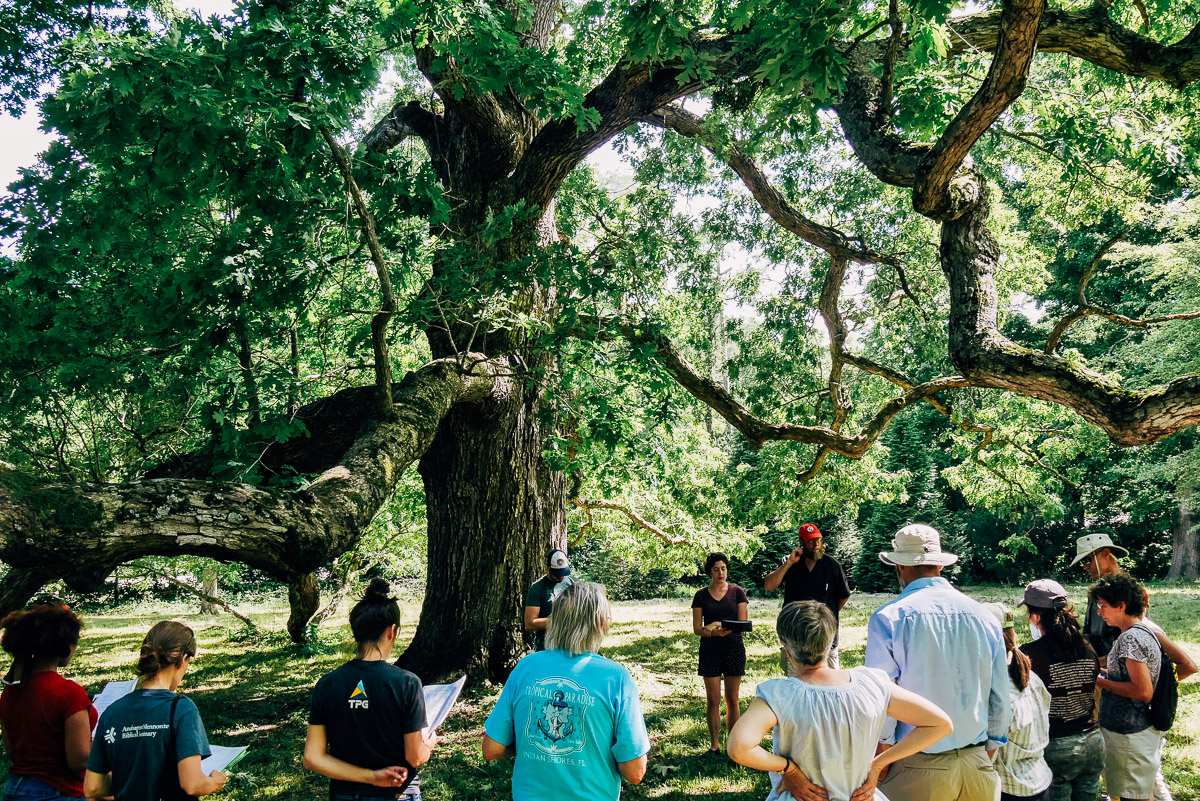
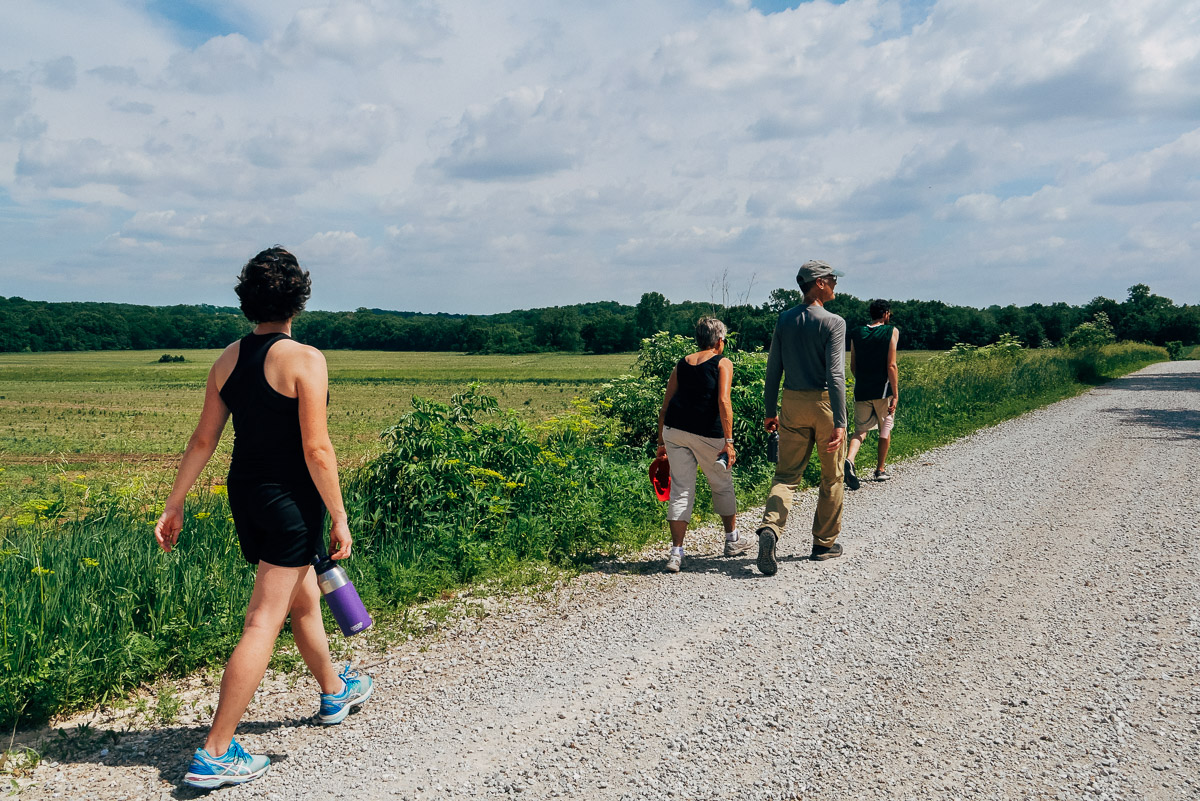
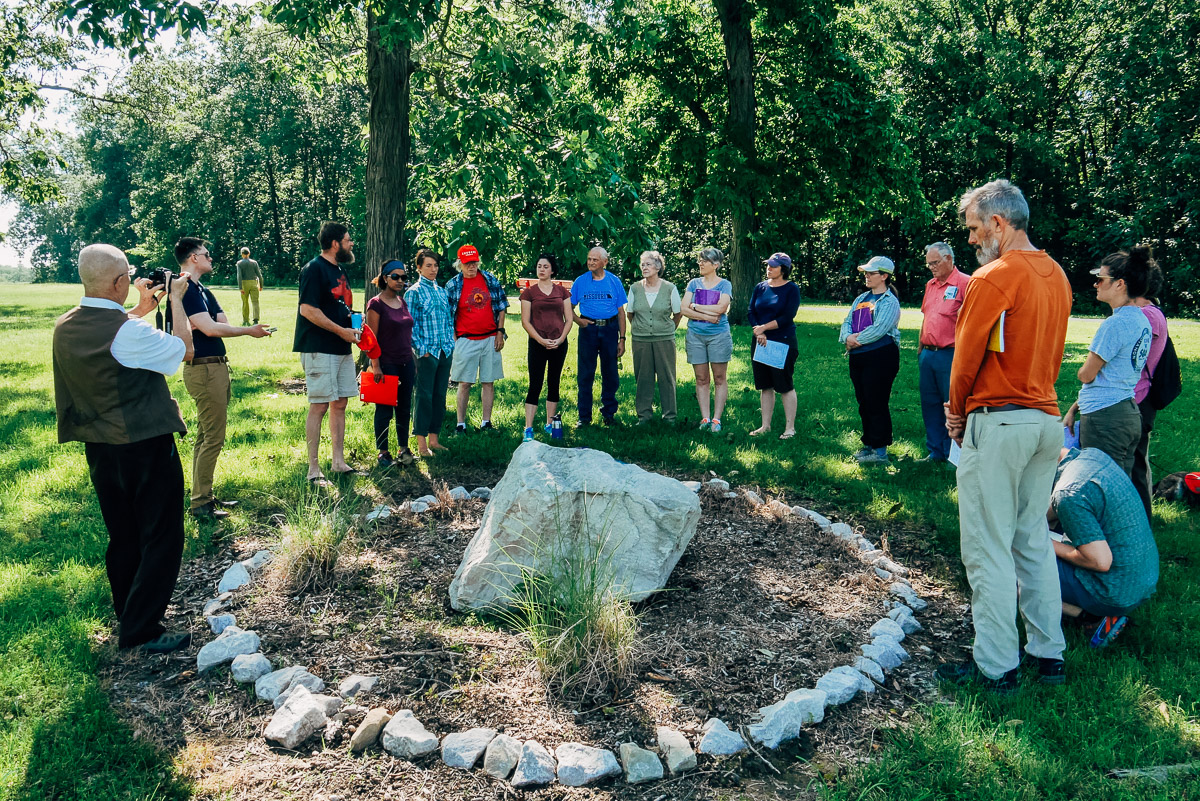
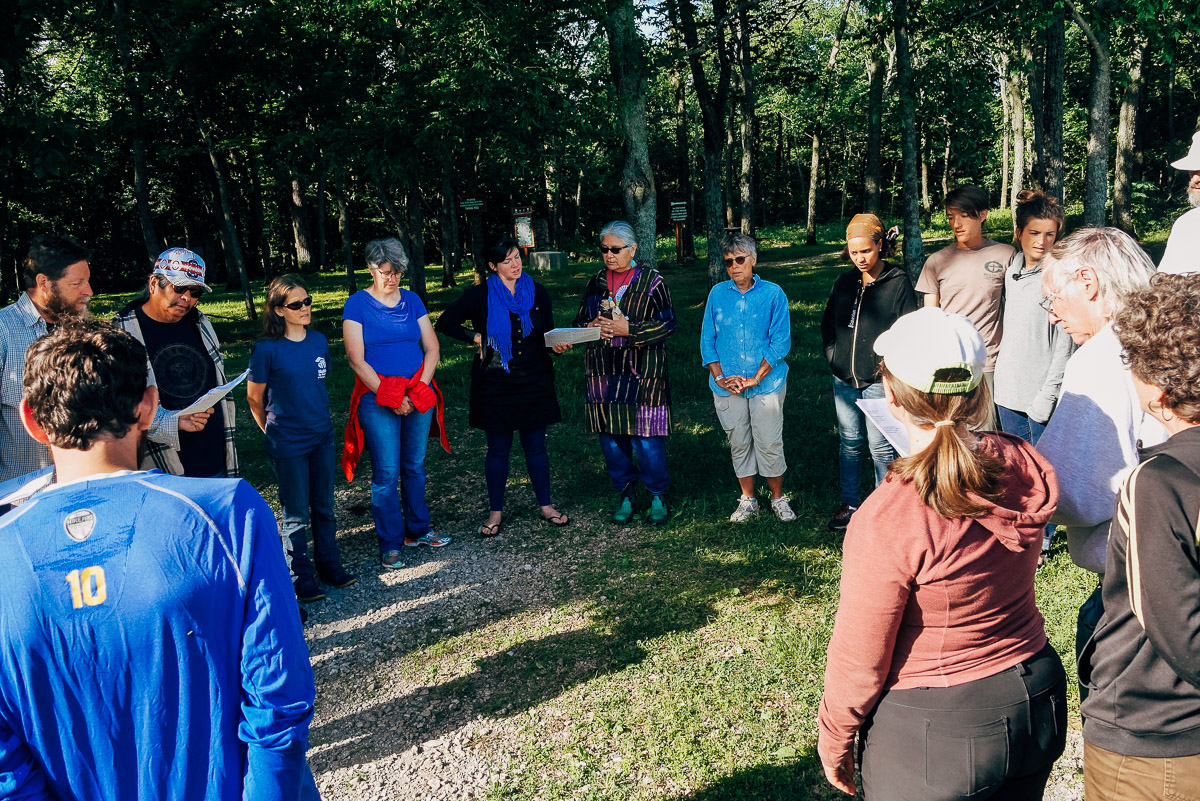
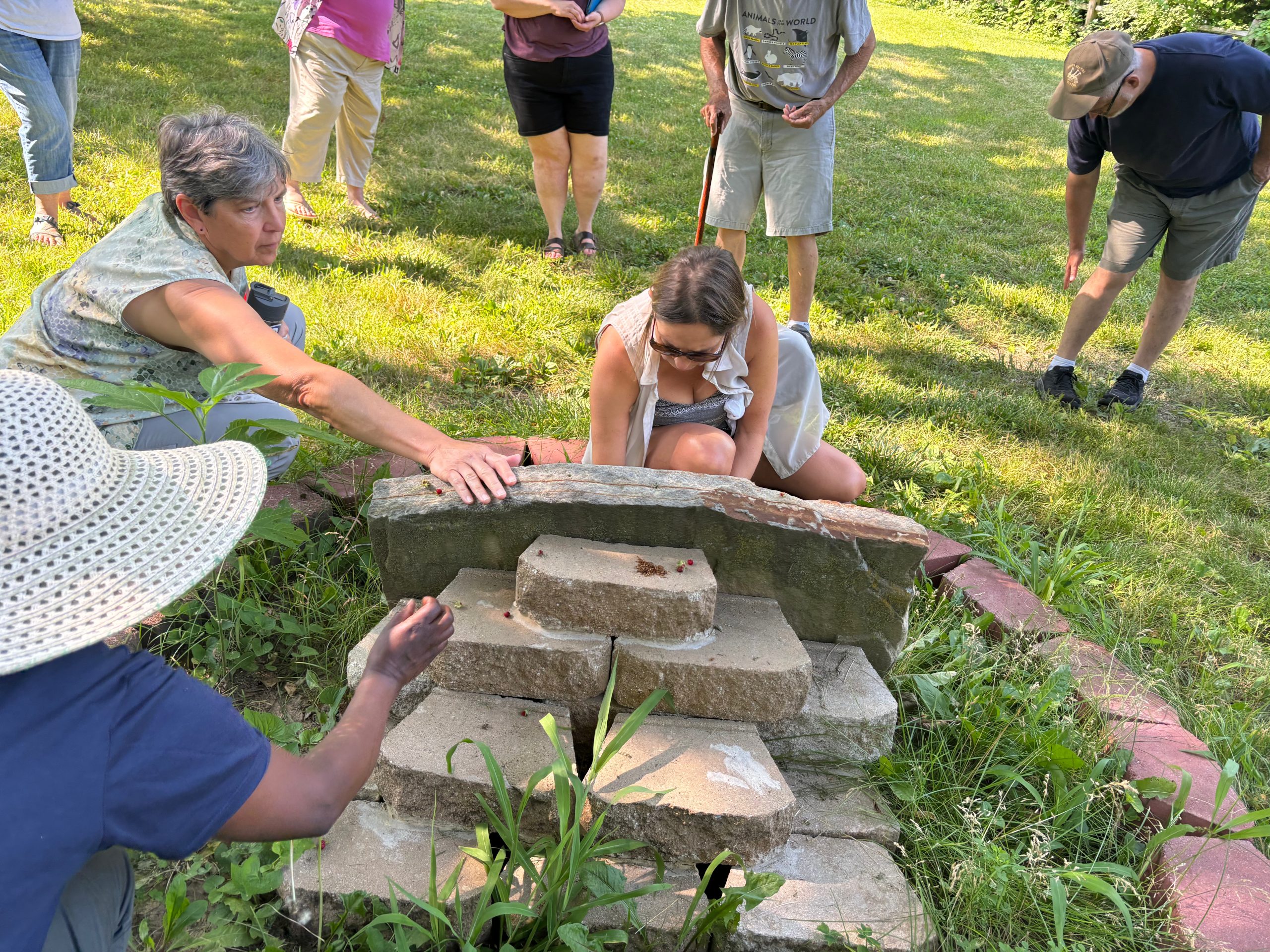
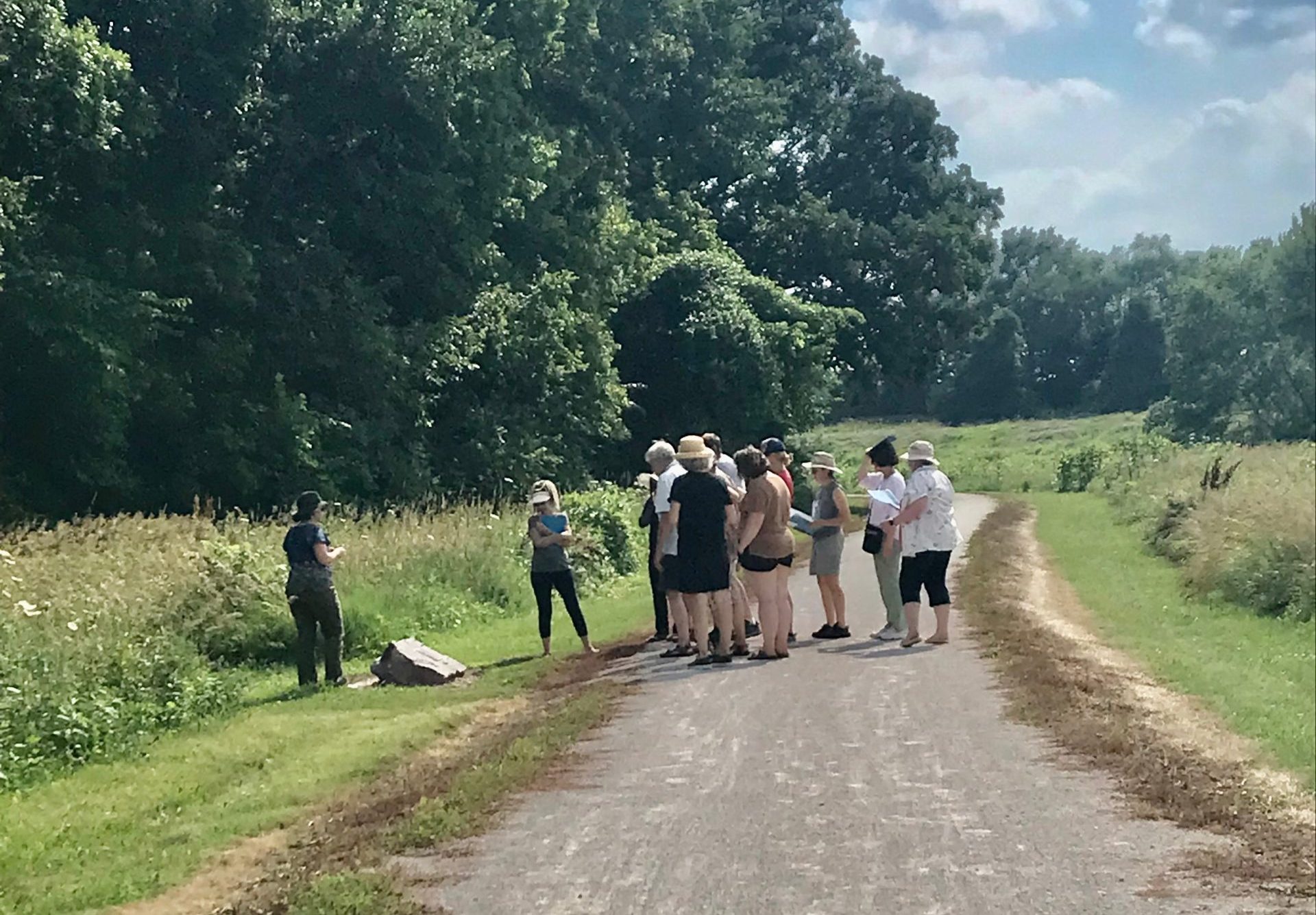
Those who are able will prayerfully walk between one and four miles of the route each day as we travel by car caravan to Kansas and Oklahoma. We will pause to observe trail markers, read journals and letters from the removal, and listen to Potawatomi descendants of those who survived the Trail of Death. As we learn from the underside of history, we will seek what new paths God opens for repair today, in relationship with Indigenous peoples and the land who remembers.
This pilgrimage is open to students and nonstudents. Participants may earn three credit hours of graduate study, take the course as auditors, or join the pilgrimage for no credit. We will be tent camping along the way, with camping supplies available to those who need them and options for hotel stays at one’s own expense.
During the course, students can expect to:
- Enter into the ancient mode of pilgrimage as a paradigm for engaging with the sacred, seeking Divine guidance and healing, following Jesus into an encounter with suffering, engaging in contrition, and depending upon the hospitality of strangers.
- Learn from guest speakers, such as historians, Potawatomi teachers, and storytellers.
- Build community with other pilgrimage participants and offer mutual support to one another on the journey.
- Engage head, heart, and hands through prayer, ritual, reading, reflection, and movement.
- Connect histories of White supremacy and Christian nationalism with current sociopolitical realities.
Pilgrimage leaders
- Katerina Gea, MDiv, Core Adjunct Faculty
- George Godfrey, PhD (Citizen Potawatomi Nation), President of the Potawatomi Trail of Death Association
- Alaina Dobkowski, MDiv, Co-Instructor
- Rich Meyer, Trip Navigator
Leader bios
Katerina Gea, MDiv, Core Adjunct Faculty, is Pastor of Pasadena (California) Mennonite Church on Tongva land in the Los Angeles basin. She is an organizer of White settler descent who cofounded the Repair Network, a model for Christian faith communities and institutions to practice reparative justice and solidarity with Indigenous peoples. She has been shaped by Indigenous people’s cosmologies and their struggles for sovereignty and land rights through her work with the Coalition to Dismantle the Doctrine of Discovery. Katerina first traveled on the Trail of Death Pilgrimage as a student at AMBS and graduated in 2016 with a Master of Divinity with a major in Theological Studies: Peace Studies. Read more about Katerina on her faculty profile page.
George Godfrey, PhD (Citizen Potawatomi Nation), is our pilgrimage guide and elder. George is the past Vice President of Academic Affairs at Haskell Indian Nations University. As a National Program Director with the USDA, he helped Tribal Colleges develop their undergraduate curricula. Since 1988, George has been involved in the development of the Potawatomi Trail of Death Association, of which he is President. He and his wife, Pat, live north of Springfield, Illinois.
Alaina Dobkowski, MDiv, Co-Instructor, is the pastor of Grand Rapids (Michigan) Mennonite Fellowship. She is a member of the CORE (Communities Organizing for Racial Equity) Collective and their work with congregations and faith-based organizations, and in the past she was involved with statewide efforts to address racial inequity in child welfare. She has a Master of Arts in Urban Studies from Eastern University and a Master of Divinity with a major in Pastoral Ministry from AMBS. She participated and served as an intern during the 2024 pilgrimage.
Rich Meyer, Trip Navigator, has been supporting the use of the Trail of Death as experiential learning and public history since 2003 by navigating for groups and creating online digital maps. He lives with his wife, Brenda, about five miles from Five Medals village, near the Kekionga – Shikaakwa trail crossing of the Elkhart River.
Pilgrimage participant feedback

“Traveling along the Trail of Death with incredible guides and teachers was a transformative, embodied experience. As we traveled we saw the lush Great Lakes environment with trees and lakes give way to the Great Plains where those same resources became sparse. We read journals from 1838 to remember what the Potawatomi endured, the lives lost, and the promises that were broken. The journey created space for deep lament and grief as we encountered a devastating history that shaped the lands we live on and the people we are today. The Pilgrimage didn’t end the story there — we went on to the present-day Citizen Potawatomi Nation, where we were welcomed with traditional foods, beautiful cultural traditions, and a celebration of who they are today. There are some experiences in life that change you deeply, and you realize that you will no longer be the same. This pilgrimage has changed me deeply, and I’m thankful for new relationships, new learning, and new ways forward for repair.” —Alaina Dobkowski, Pastor of Grand Rapids Mennonite Fellowship, 2024 participant
“The Trail of Death pilgrimage was an incredibly relevant, informative and life-transforming experience. Through this experiential learning journey, we developed a lens into the ways in which United States citizens, political representatives, and churches participated in the past, present and future exploitation of American Indian people. We also developed ways in which we can, and must, be an active part of ending these oppressive systems and structures of exploitation.” — Grant Swanson, Garrett-Evangelical Theological Seminary student, 2017 participant
“At the beginning of the pilgrimage, I was compelled to feel sympathy for the Potawatomi people. But the more reading we did, the more we heard from Native peoples, the more I realized that they are survivors, a strong and courageous community. Rather than seeing them as victims, I saw them as my teachers.” — Amy Kratzer, Associate Pastor, Sunnyside Mennonite Church, 2015 participant
What is the Trail of Death?
The Potawatomi Trail of Death was the forced removal of the Potawatomi Indians from north central Indiana to eastern Kansas in the fall of 1838. Read more. See also the series of maps created by Shirley Willard, Eric and Susan Campbell, and George Godfrey, with help from Rich Meyer.
Suggested readings
- Benjamin Petit Letters and Journal
- Becoming Kin: An Indigenous Call to Unforgetting the Past and Reimagining Our Future by Patty Krawec
- Braiding Sweetgrass by Robin Wall Kimmerer
- An Indigenous Peoples’ History of the United States by Roxanne Dunbar Ortiz
- The Land is Not Empty by Sarah Augustine
- Native by Kaitlin Curtice
- Healing Haunted Histories by Elaine Enns and Ched Myers
Related information
- Potawatomi Trail of Death Association
- Indigenous Lands Map: Whose land are you on?
- Doctrine of Discovery: In the Name of Christ
- The Coalition to Dismantle the Doctrine of Discovery
- Citizen Potawatomi Nation
- Prairie Band Potawatomi Nation
- Pokagon Band Potawatomi Nation